
LEARN WITH PAWISTRY
Better care starts with knowing what to notice.
Everyday pet hygiene doesn't begin with doing more. It begins with understanding the small things worth checking—in the paws, coat and after outdoor time.
PAWS Look closer.
COAT Notice changes.
OUTDOORS Stay aware.
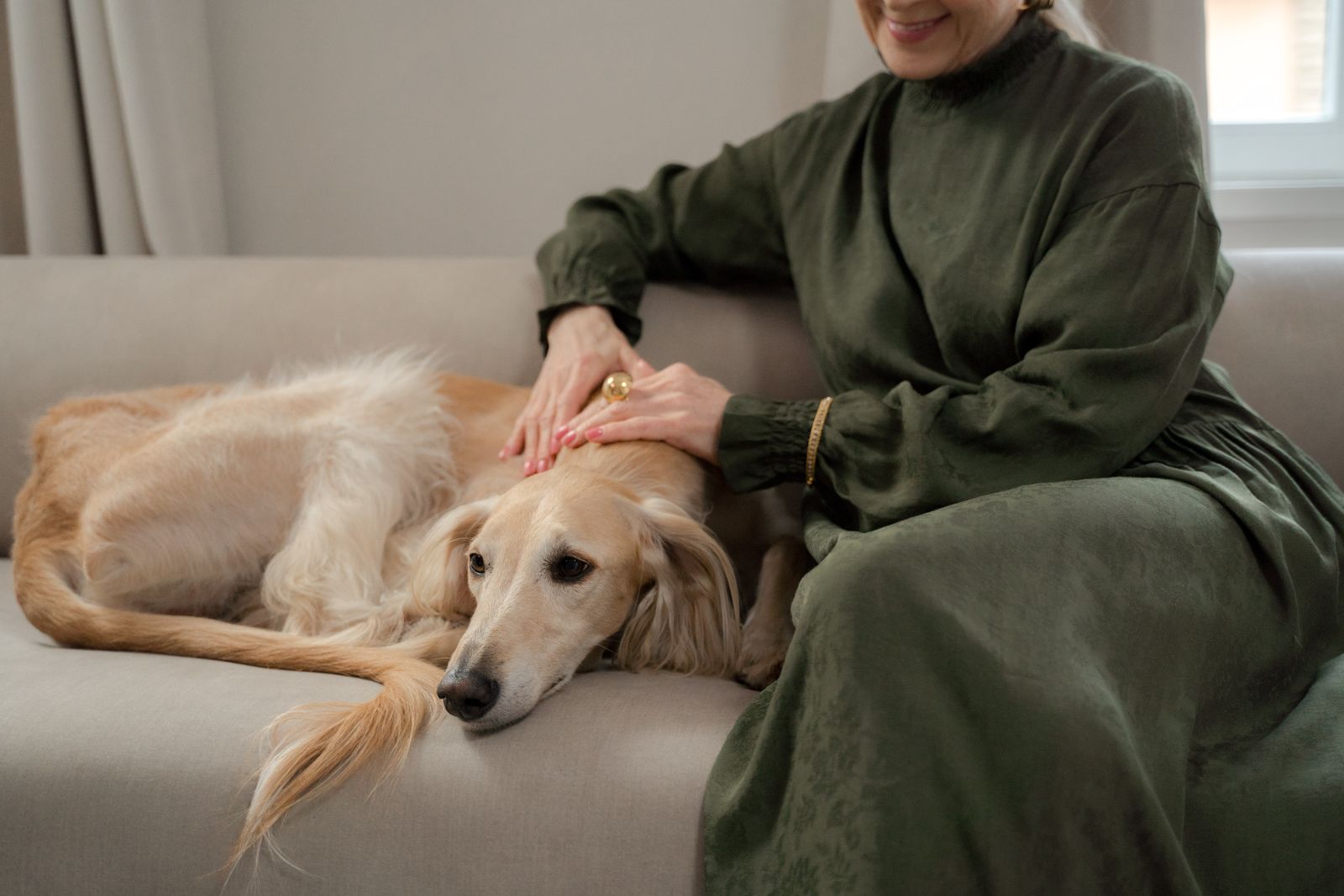
The more familiar you become with your pet's everyday condition, the easier it becomes to notice when something deserves attention.
CHOOSE YOUR CARE TOPIC
What do you want to understand better?
You don't need to learn everything at once. Start with the part of your pet's everyday routine that happens most often in your home.
PAWS · COAT · OUTDOORS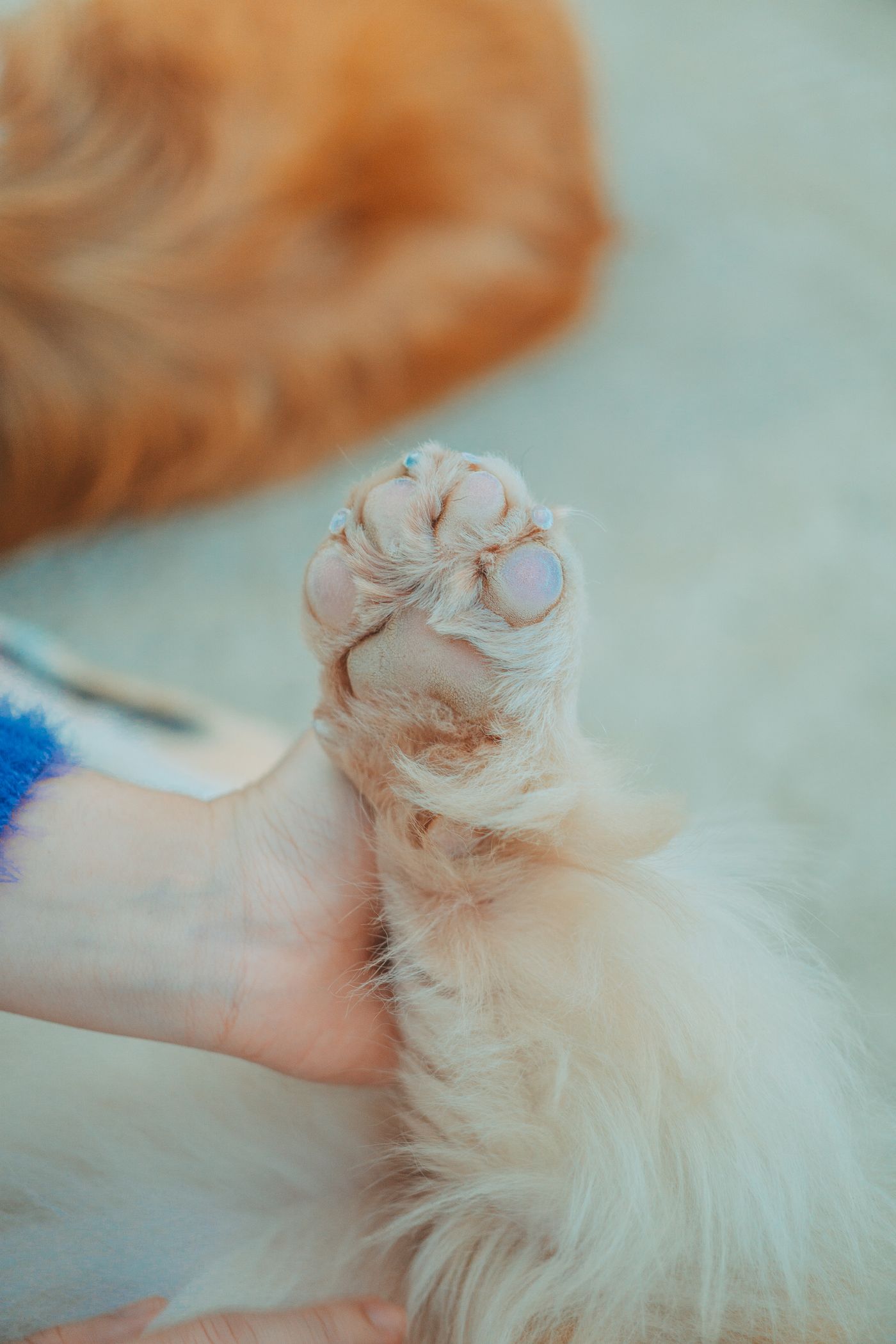 01
01
Learn what to look for.
Paw care doesn't begin with automatic cleaning. It begins by noticing what your pet's paws look and feel like after everyday walks.
SIMPLE MEMORY Pads → Toes → Feel
 02
02
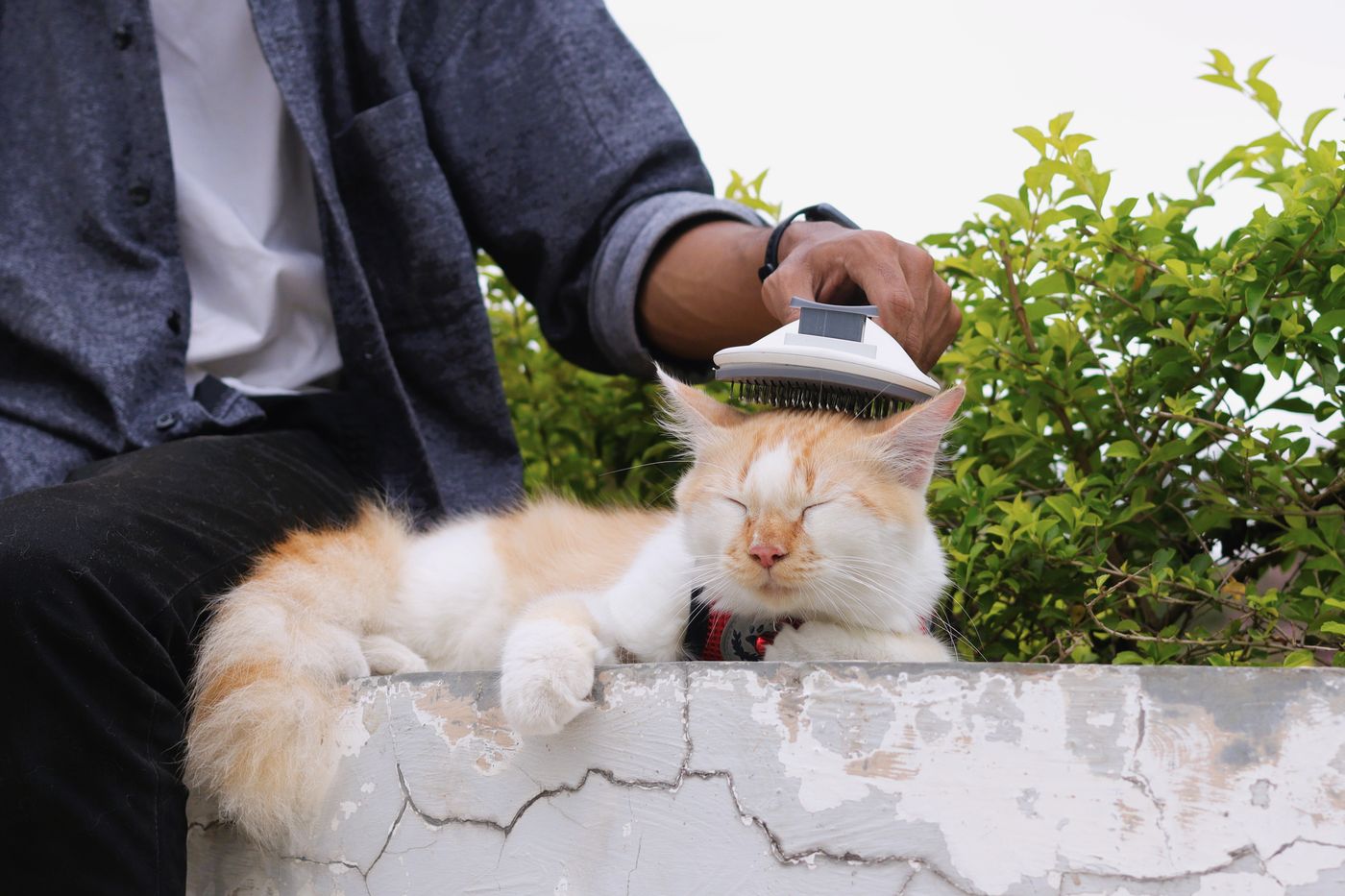
Learn when to leave it alone.
Sometimes the coat needs freshness. Sometimes it deserves a closer look. And sometimes it doesn't need anything at all.
SIMPLE MEMORY Notice → Decide → Care
 03
03
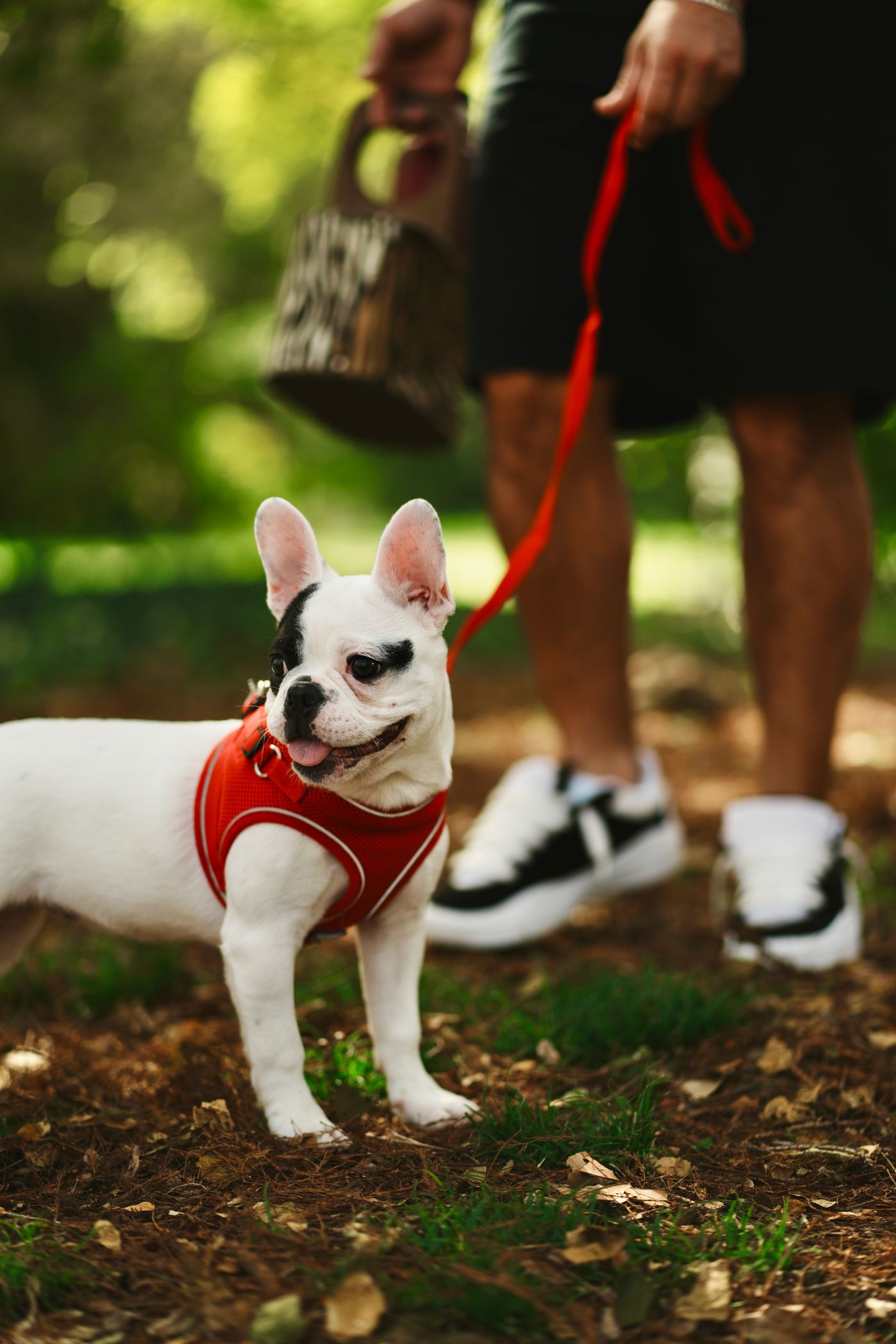
Learn where ticks can be missed.
Grass, parks and outdoor play are part of a happy pet life. Build a quick physical check into the routine after relevant outdoor exposure.
SIMPLE MEMORY Explore → Check → Home
Start with the moment you see most often.
The easiest learning habit starts with something already happening in your pet's everyday life.
THE 30-SECOND AFTER-WALK CHECK
The walk is over. Take 30 seconds.
Before your pet moves from roads, grass and outdoor spaces into floors, sofas and beds, use the doorway as a simple reminder to look a little closer.
Look first. Then decide whether any care is actually needed.
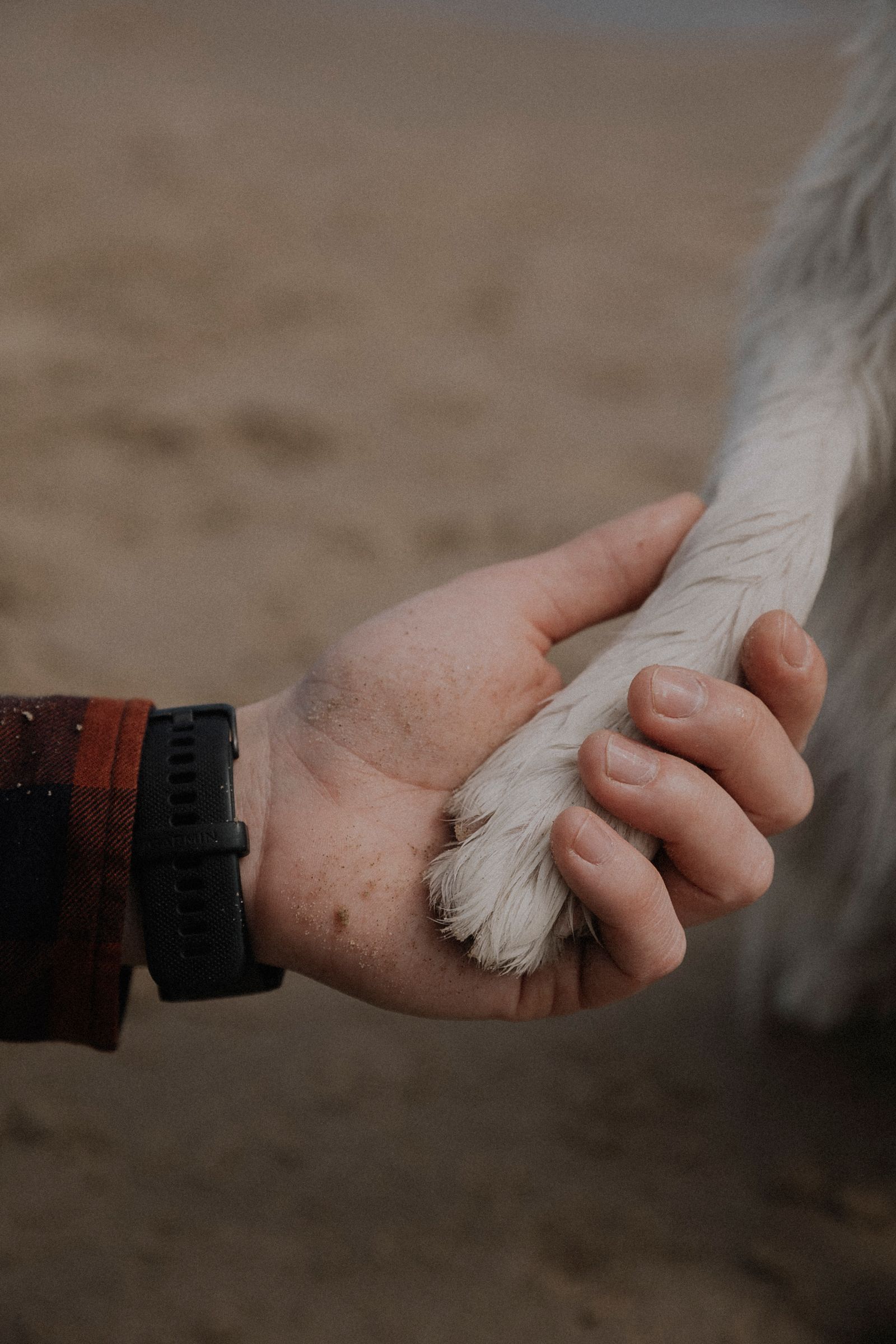
SECONDS One small everyday habit.
The goal isn't to turn every walk into another chore. It is simply to notice what came home with your pet.
Four quick checks. One easier habit.
The routine is designed to be short enough to repeat after everyday walks without making pet care feel complicated.
Check the pads.
Look at the visible paw pads for dirt, outdoor residue or anything that appears different from your pet's usual condition.
Look between the toes.
Gently check the spaces between the toes. These areas can be easy to miss when you only glance at the bottom of the paw.
Notice the coat.
Take a quick look at the coat after dusty roads, wet grass or outdoor play. Sometimes nothing more is needed.
Stay tick-aware.
After time in grass, parks or similar environments, make a quick physical tick check part of the routine.
0–5 SEC PAWS
5–10 SEC TOES
10–20 SEC COAT
20–30 SEC TICKS
What does your pet actually need?
The check helps you decide instead of automatically adding another care step.
LOOKS FINE Nothing more. Back to home life.
PAWS NEED CLEANING Clean gently. Keep the routine simple.
COAT NEEDS FRESHNESS Choose lighter care. Not every refresh needs a bath.
SOMETHING LOOKS UNUSUAL Look closer. Don't treat everything as routine hygiene.
Keep the next step simple.
Pawistry Rinse-Free Paw Cleanser is designed to support the after-walk paw-care moment without turning every outing into a full wash.

Once checking becomes the habit, choosing the right care becomes much easier.
See Full Paw Guide →BETWEEN-BATH CARE
Not every coat moment needs another bath.
Sometimes your pet simply needs a little freshness. Sometimes something actually needs cleaning. And sometimes the better choice is to stop and look closer.
REFRESH · CLEAN · LOOK CLOSER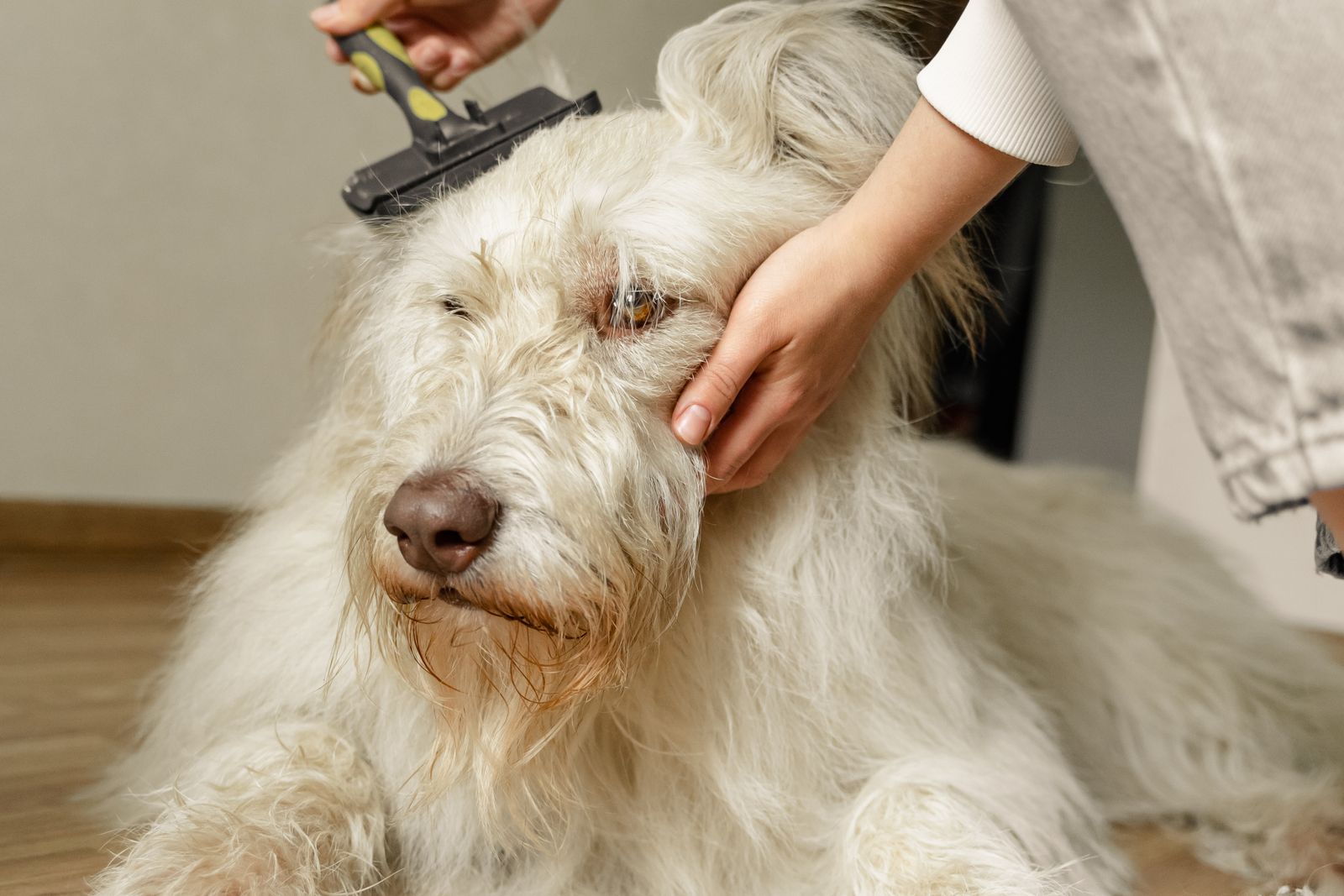
BETWEEN BATHS Start by noticing.
Before reaching for another bath, notice what the coat actually needs.
What am I actually noticing?
The answer helps you choose a lighter refresh, a proper clean, or a closer look.
FRESHNESS Does the coat simply feel less fresh?
VISIBLE DIRT Is there something that actually needs cleaning?
SOMETHING DIFFERENT Is there irritation or another unusual change?
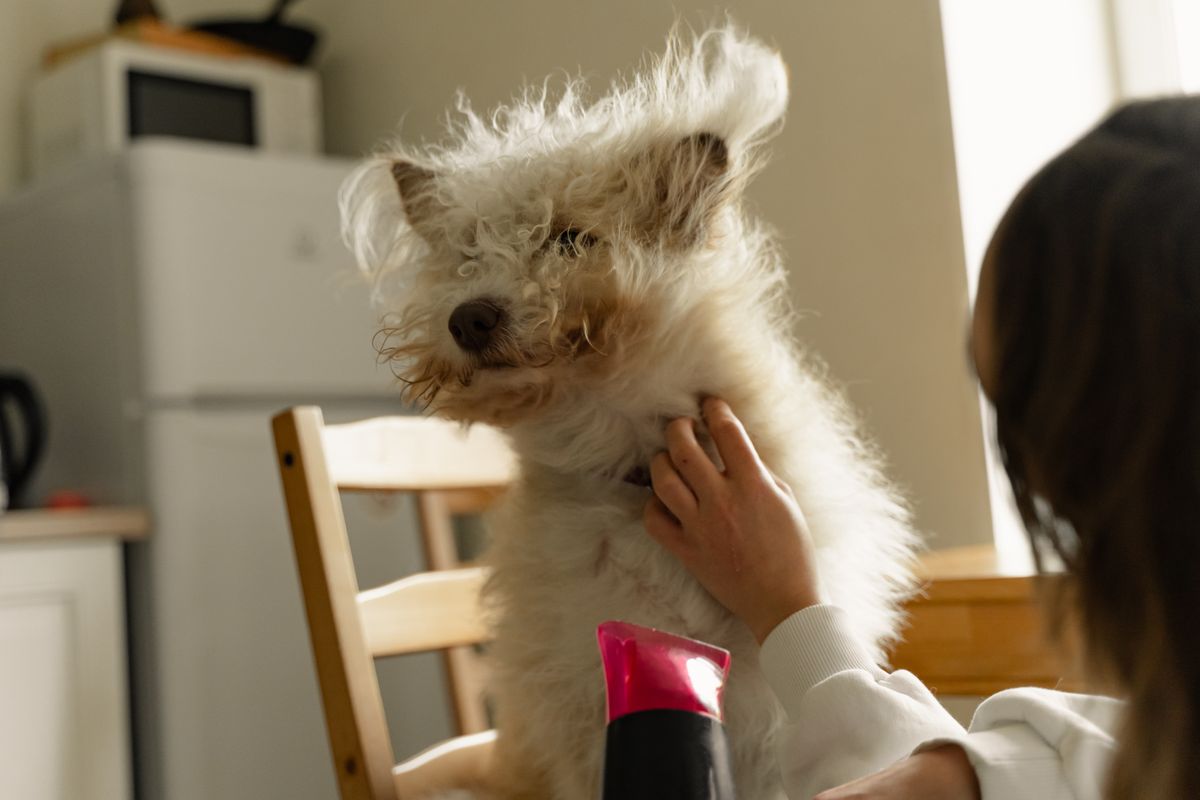
Choose a lighter refresh.
If the coat simply needs freshness between bath days, you may not need to start another full bathing routine.
SIMPLE MEMORY Notice → Refresh → Move on
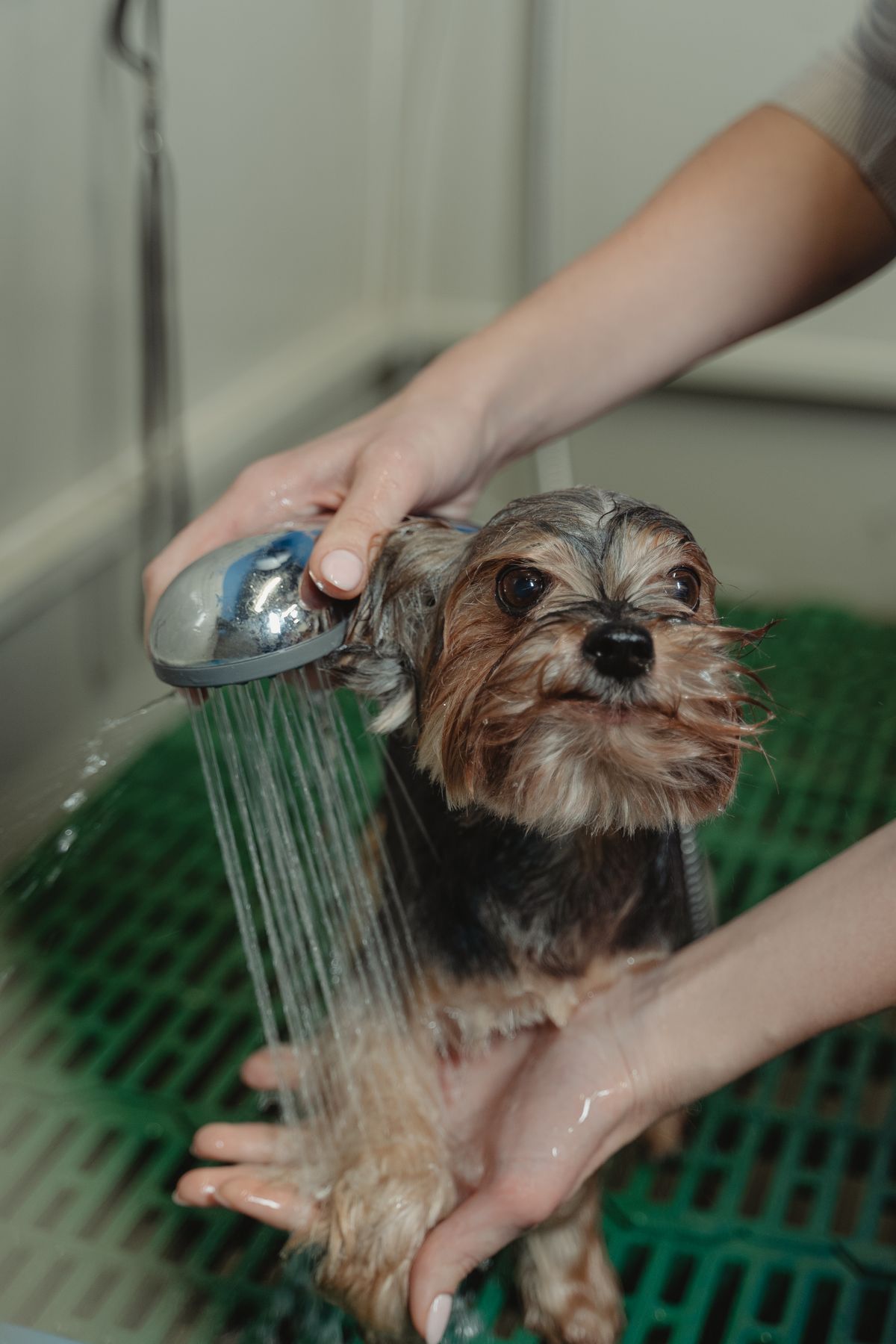
Clean when it makes sense.
Mud, visible dirt or another genuine cleaning need is different from a coat that simply feels less fresh. Match the care to the situation.
SIMPLE MEMORY See dirt → Choose cleaning
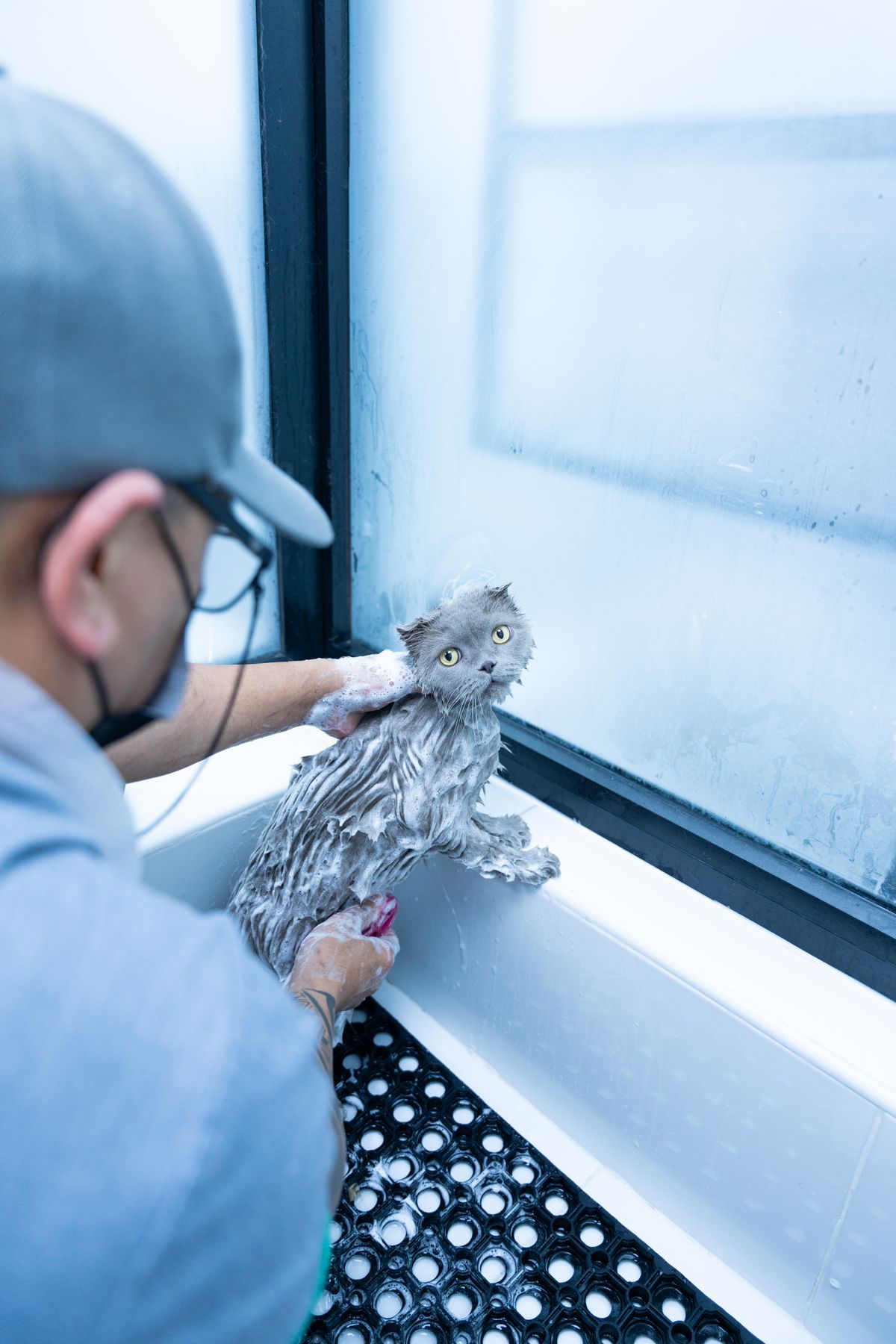
Don't automatically treat it as hygiene.
Irritation, broken skin, persistent discomfort or another unusual change deserves more attention than a normal freshness routine.
SIMPLE MEMORY Unusual → Pause → Look closer
Start with what you notice.
JUST LESS FRESH? Refresh
VISIBLE DIRT? Clean
SOMETHING UNUSUAL? Look closer
Freshness without another full bath.
Pawistry Dry Bath Spray is designed as a waterless coat refresher for the moments between regular bath days.

The thoughtful choice is the one that matches what your pet actually needs in that moment.
OUTDOOR AWARENESS
Ticks are easier to miss than you think.
Parks, grass and outdoor adventures are part of a happy pet life. The goal isn't to avoid them. It is to build a quick physical check into the routine when your pet comes home.
ENJOY OUTSIDE · CHECK AT HOME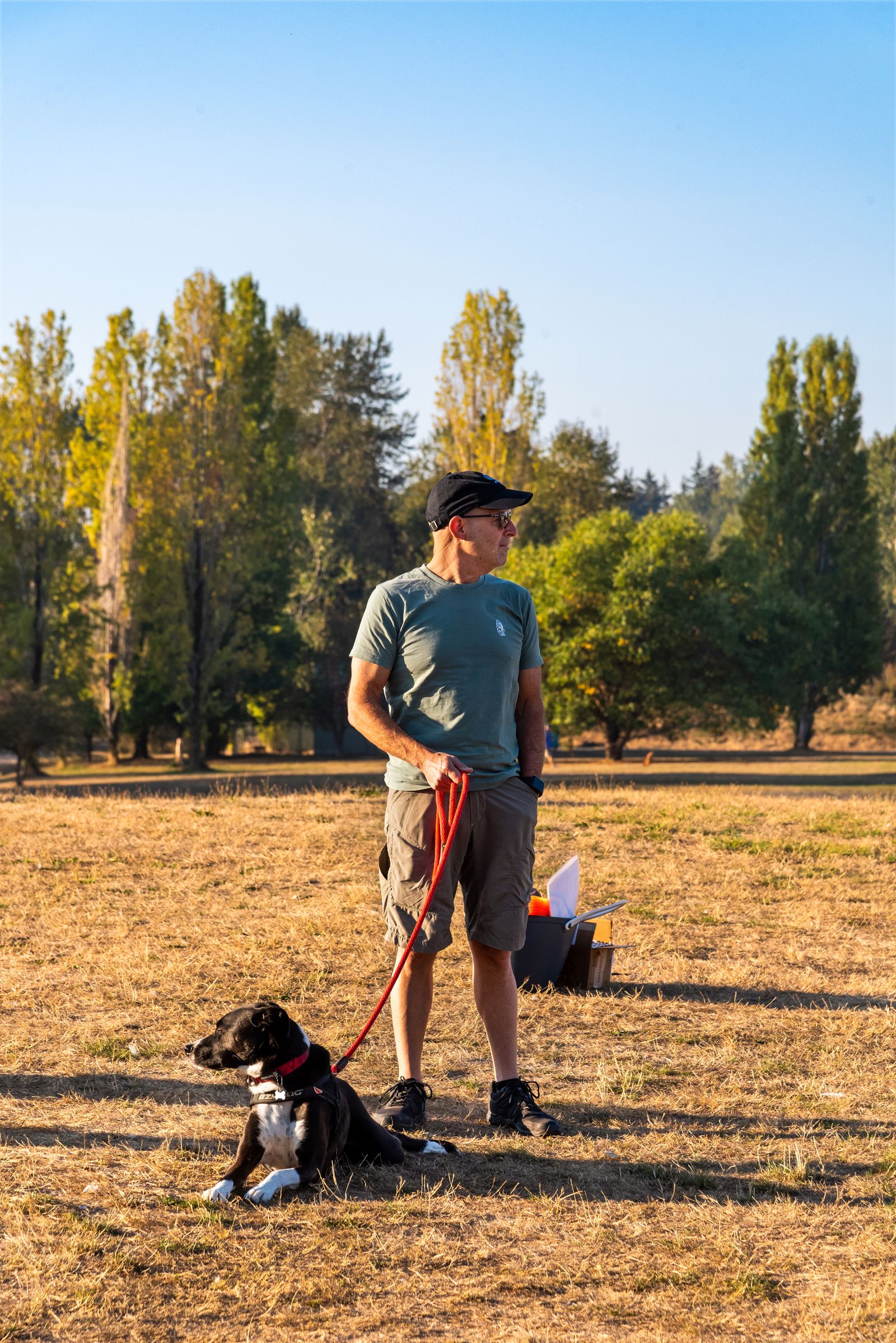
OUTDOOR ROUTINE Adventure first. Awareness after.
After relevant outdoor exposure, make a quick physical check part of coming home.
Because a quick glance isn't always enough.
A coat can make small things easy to overlook. Instead of checking randomly, follow the same simple sequence each time.
AFTER RELEVANT OUTDOOR TIME Pause before settling in.
USE THE SAME ORDER Check familiar areas every time.
DON'T RUSH Part the coat where needed.
THE HABIT Outside → Check → Home
Six areas worth remembering.
Work through the same areas rather than relying on memory or checking only one part of the body.
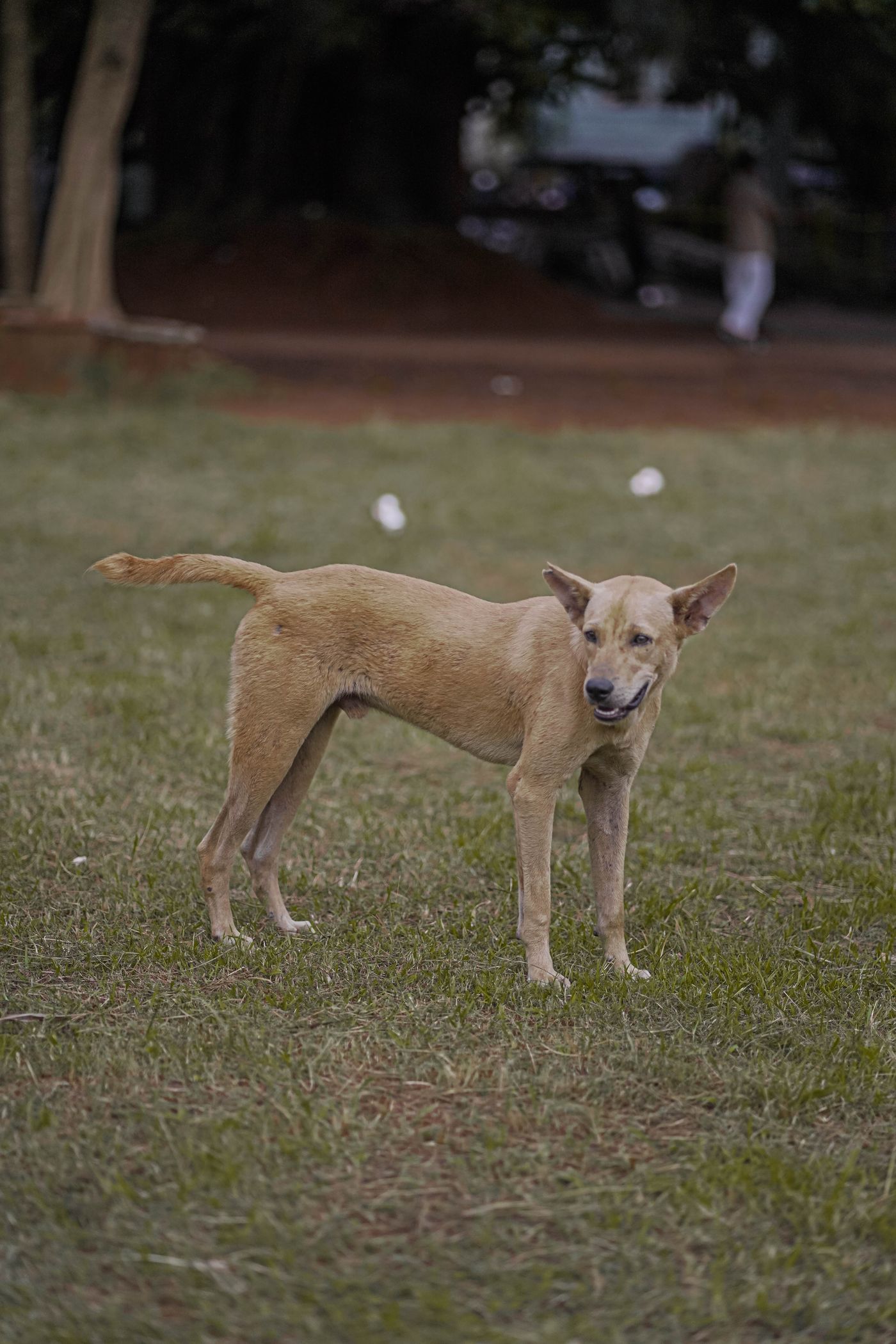
Ears
Check around and behind the ears during your physical inspection.
Neck
Move your hands gently around the neck and notice anything unusual.
Collar area
Include the area beneath and around where the collar normally sits.
Coat
Part the coat where appropriate rather than only looking at the surface.
Legs
Check along the legs after time in grass or similar outdoor environments.
Paws
Finish with the paws and include the spaces between the toes.
Let the environment trigger the habit.
The routine becomes easier when you connect it to familiar outdoor moments.
AFTER Grass
AFTER Parks
AFTER Outdoor play
THEN Check at home
Keep regular physical awareness part of your outdoor routine. If you find an attached tick, persistent irritation or another skin concern, seek appropriate veterinary guidance.
Support the routine. Don't replace it.
Pawistry Anti Tick Spray features Neem, Citronella and Eucalyptus and is designed to fit into your pet's outdoor-care routine. Follow the directions on the pack and continue regular physical tick checks.

Let your pet enjoy the outdoors. Make checking part of the routine that follows.
PET HYGIENE MYTHS
Some care habits sound right. That doesn't always make them right.
Better pet hygiene isn't about doing more. It is about knowing when care makes sense, when it doesn't, and what deserves a closer look.
MYTH → REALITY → BETTER HABIT
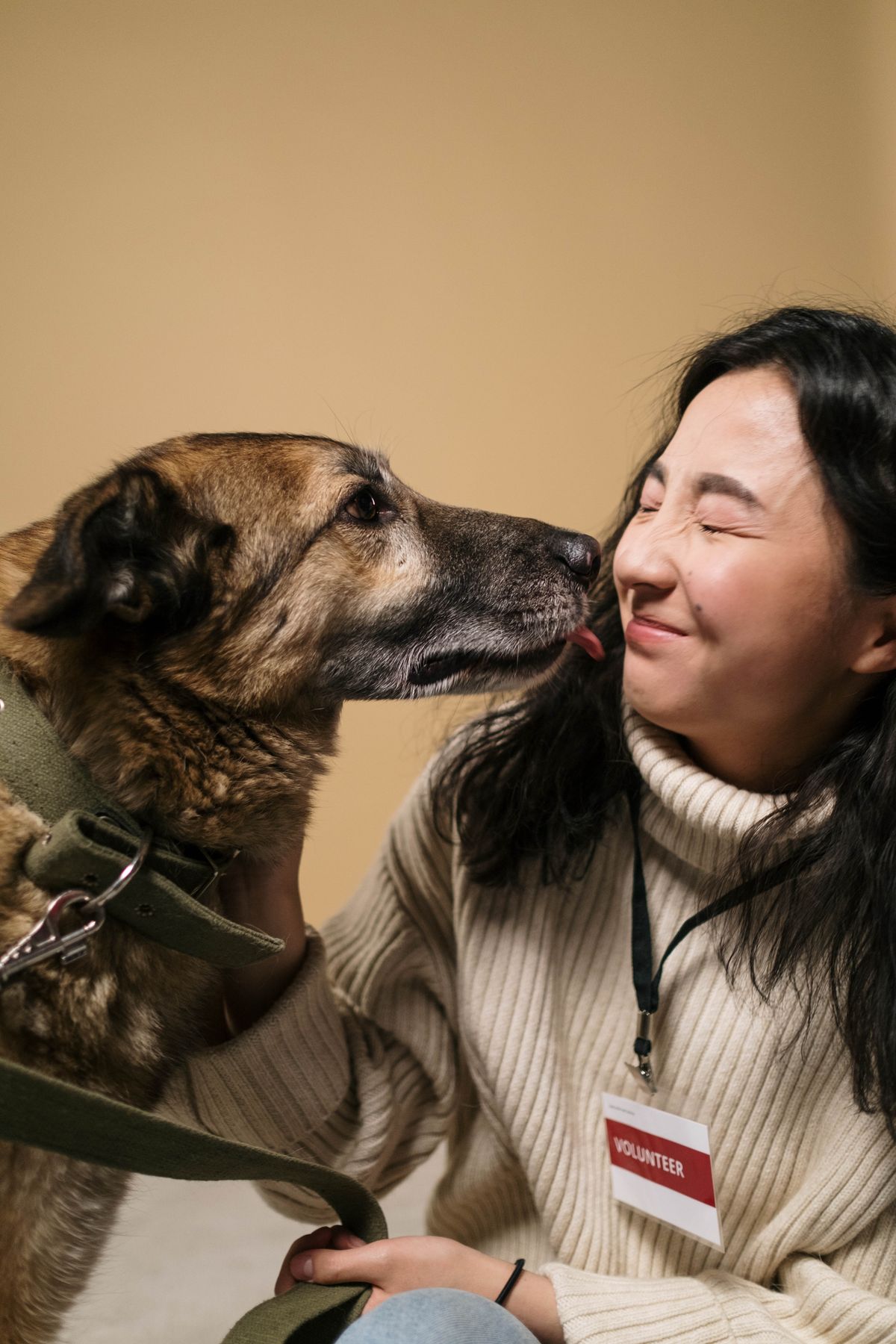
Looking clean isn't the same as checking.
A quick paw check helps you notice the pads, spaces between the toes and general comfort before deciding whether any cleaning is needed.
BETTER HABIT Check first. Clean when needed.
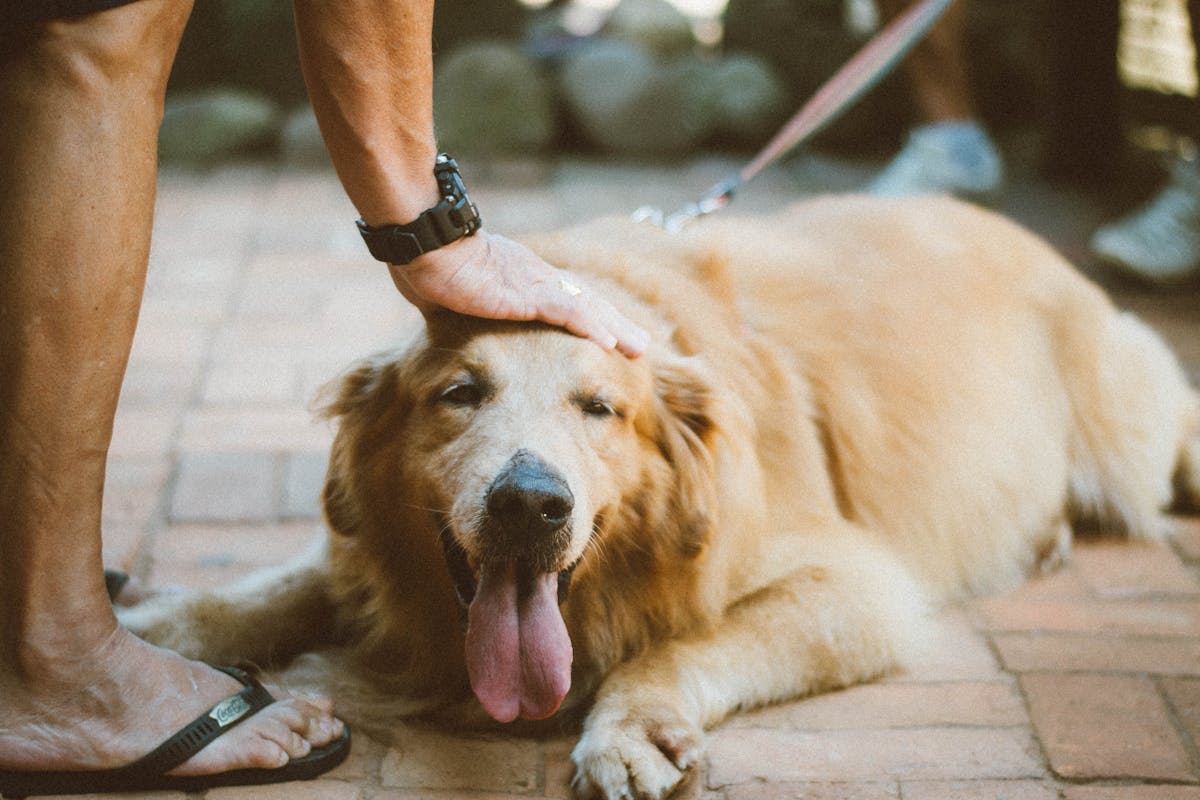
 MYTH 02
“A less-fresh coat needs another bath.”
REALITYNot every coat moment needs a full bath. Sometimes nothing is needed. Sometimes a lighter refresh makes more sense.
BETTER HABIT Notice → Decide → Care
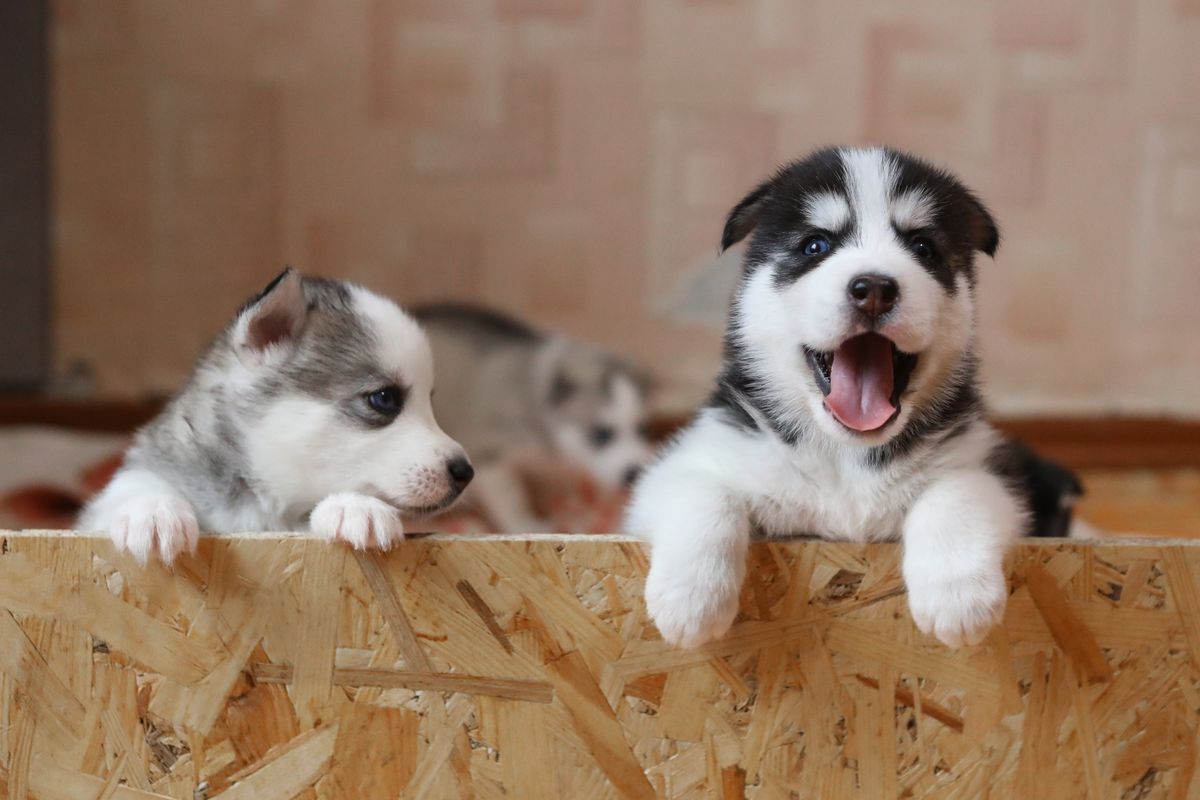
 MYTH 03
“Pet hygiene is mostly about cleanliness.”
REALITYHygiene is also about awareness. It helps you notice what looks normal, what feels different and what may need attention.
BETTER HABIT Look before you act
 MYTH 04
“Using an anti-tick product means checking isn't necessary.”
REALITYProduct use should not replace regular physical tick awareness after relevant outdoor exposure.
BETTER HABIT Outside → Check → Home
Which sounds more like Pawistry?
NOT THIS “Clean every time.”
PAWISTRY WAY “Check every time.”
NOT THIS “More care is always better.”
PAWISTRY WAY “Right care at the right moment.”
The more familiar you become with your pet's everyday condition, the easier it becomes to choose what care actually makes sense.
Build Your Care Routine →FIRST Notice
THEN Understand
THEN Decide
FINALLY Care
Learn what to notice first. The rest of the routine becomes much simpler.
QUESTIONS PET PARENTS ACTUALLY ASK
You don't need to know everything.
Good care often starts with a simple question. Here are some of the everyday pet-hygiene questions worth understanding before they become complicated.
ASK · UNDERSTAND · CARE
01
AFTER-WALK CARE
Do I need to clean my pet's paws after every walk?
+
Think of checking and cleaning as two different things. A quick paw check after the walk can become the habit. Cleaning is the next step only when the paws actually need it.
02
PAW AWARENESS
Why should I look between the toes?
+
The spaces between the toes are easy to overlook when you only glance at the bottom of the paw. Including them makes the paw check more complete.
03
BATHING
How often should my pet be bathed?
+
There isn't one bathing schedule that suits every pet. Coat type, skin condition, lifestyle and individual needs can all affect what makes sense. Follow appropriate grooming or veterinary guidance for your pet.
04
BETWEEN BATHS
Does a dry bath spray replace regular bathing?
+
No. Pawistry Dry Bath Spray is intended as a waterless coat refresher between bath days. When your pet genuinely needs a full clean, a refresher should not be treated as a replacement.
05
OUTDOOR TIME
When should I physically check for ticks?
+
Build physical tick awareness into the routine after relevant outdoor exposure such as grass, parks, gardens or similar environments.
06
TICK AWARENESS
Does using an anti-tick product mean I can skip physical checks?
+
No. Product use should support the outdoor-care routine, not replace physical awareness. Continue checking your pet after relevant outdoor activity and follow the product's directions on the pack.
07
WHEN TO LOOK CLOSER
What if I notice irritation, broken skin or persistent discomfort?
+
Don't automatically treat an unusual change as a routine hygiene issue. Stop relevant product use if irritation occurs and seek appropriate veterinary guidance for persistent discomfort, broken skin or another concerning change.
Look first. Understand the moment. Then choose the care that makes sense.
Ask Pawistry →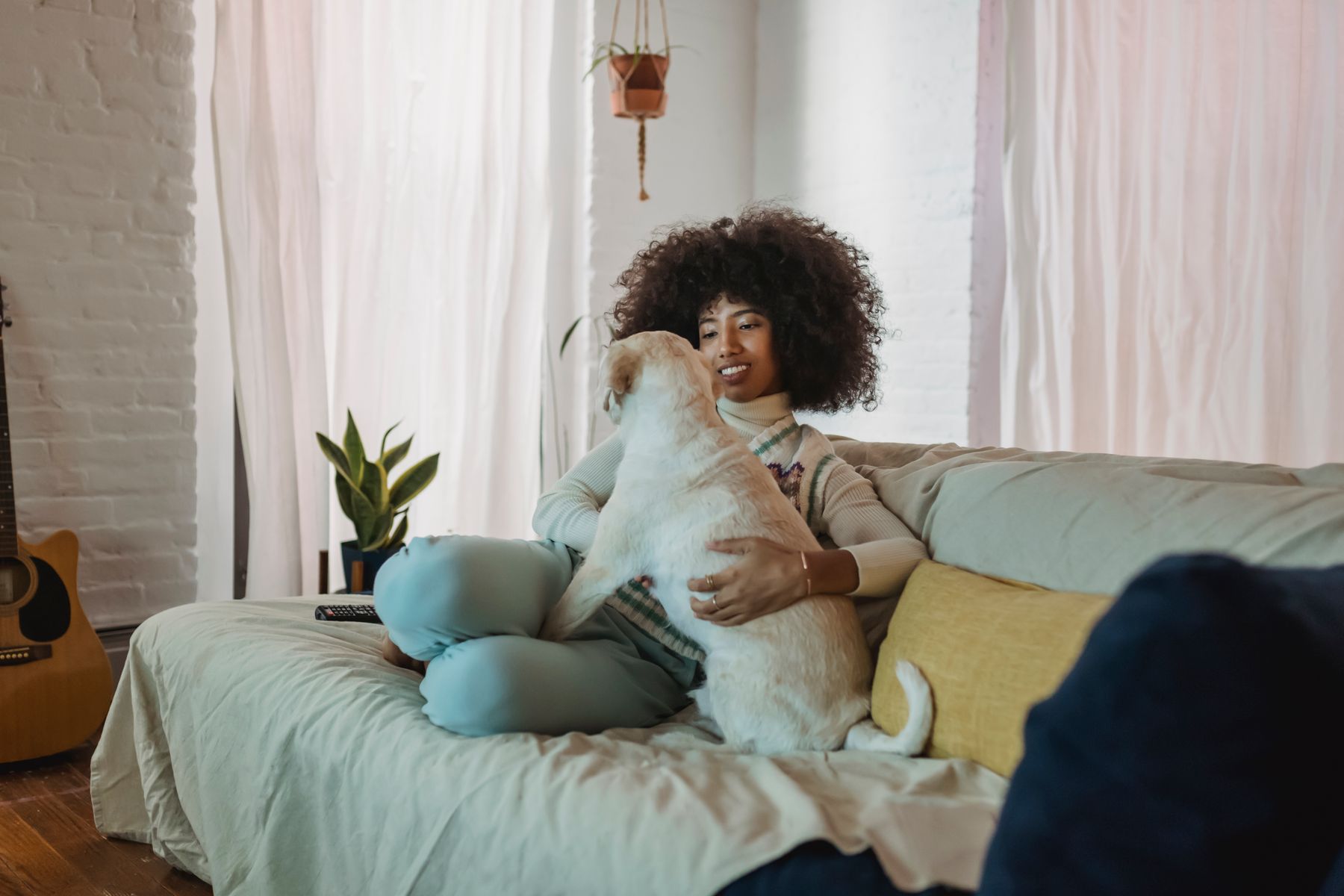
ONE LAST THING TO REMEMBER
Better care starts with noticing.
You don't need a complicated pet-hygiene routine. You need a few small habits that help you notice what your pet needs — and what they don't.
NOTICE Look closer.
UNDERSTAND Know the moment.
CARE Choose thoughtfully.
Check the pads. Check between the toes.
Notice first. Refresh only when it makes sense.
Enjoy the adventure. Keep physical checks in the routine.
DON'T OVERCOMPLICATE IT Keep care simple.
DON'T ACT AUTOMATICALLY Notice first.
BUILD THE HABIT Repeat daily.
Clean Paws. Happy Homes.
Thoughtful everyday pet hygiene, built around real life with pets.